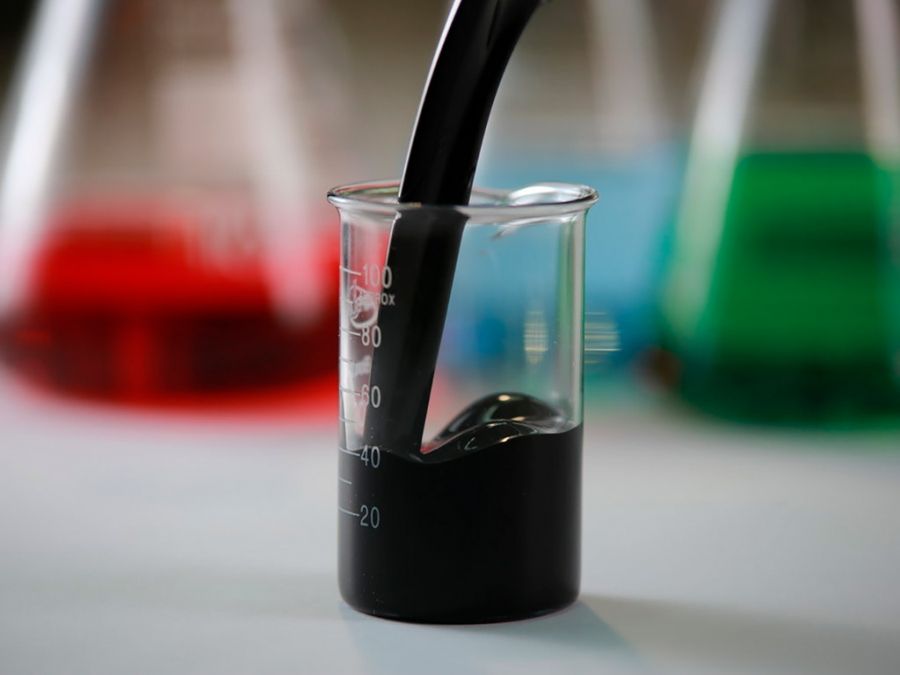
Novosibirsk scientists received the first batch of synthetic fuel from non-recyclable plastic
Scientists at Novosibirsk State University (NSU) have received the first pilot batch of synthetic fuel made from non-recyclable plastic. This was reported by the press service of the university.
A catalytic installation for processing liquid products of pyrolysis of polymer waste into synthetic fuel was installed in the NSU laboratory. During the first three weeks of work, three liters of kerosene were produced.
“Currently, the optimal operating modes of the capillary reactor are being determined, important catalyst regeneration cycles are being worked out, the optimal parameters of the catalytic process are being selected, the catalyst is being selected, the most important indicators of the installation are being monitored, and the resulting product is being analyzed,” the university noted.
The jointly developed technology consists of several stages. First, non-recyclable plastic undergoes pyrolysis - thermal destruction without oxygen at high temperatures. The output is pyrolysis oil - a heterogeneous liquid mixture of hydrocarbons containing a large number of undesirable impurities. Then the multicomponent mixture is divided into fractions based on boiling point. It can be converted into usable fuel through the use of catalytic technology.
The finished product is subjected to thorough analysis: researchers study its fractional, group, component and elemental composition. The indicators of sulfur and chlorine at the outlet, flash point and cloudiness are measured. These parameters are very important for the further use of the final product; they determine its practical purpose. NSU scientists conducted the first experiments using nickel-molybdenum catalysts on an aluminum oxide support. They managed to obtain the first positive results.
The installation with the new catalyst has been operating without interruption for almost four weeks. During this time, no changes in catalyst activity, pressure surges, or coke formation were observed.
“The main thing is that while developing this technology, we continue to improve our skills in working with this special raw material, which is so different from oil. This is a very interesting task for us, since plastic waste is indeed increasing. And not everything is recyclable. Burying them in landfills is not a solution to the problem. For me, from a scientific point of view, it is interesting to identify the features of processing this raw material, as well as the requirements for the properties of the catalyst, which will make it possible to stably and for a long time obtain high-quality motor fuels and oils from non-recyclable waste into valuable fuel,” explained Ekaterina Vorobyova, a graduate student of the Department of Physical Chemistry of the Faculty of Natural Sciences of NSU.